
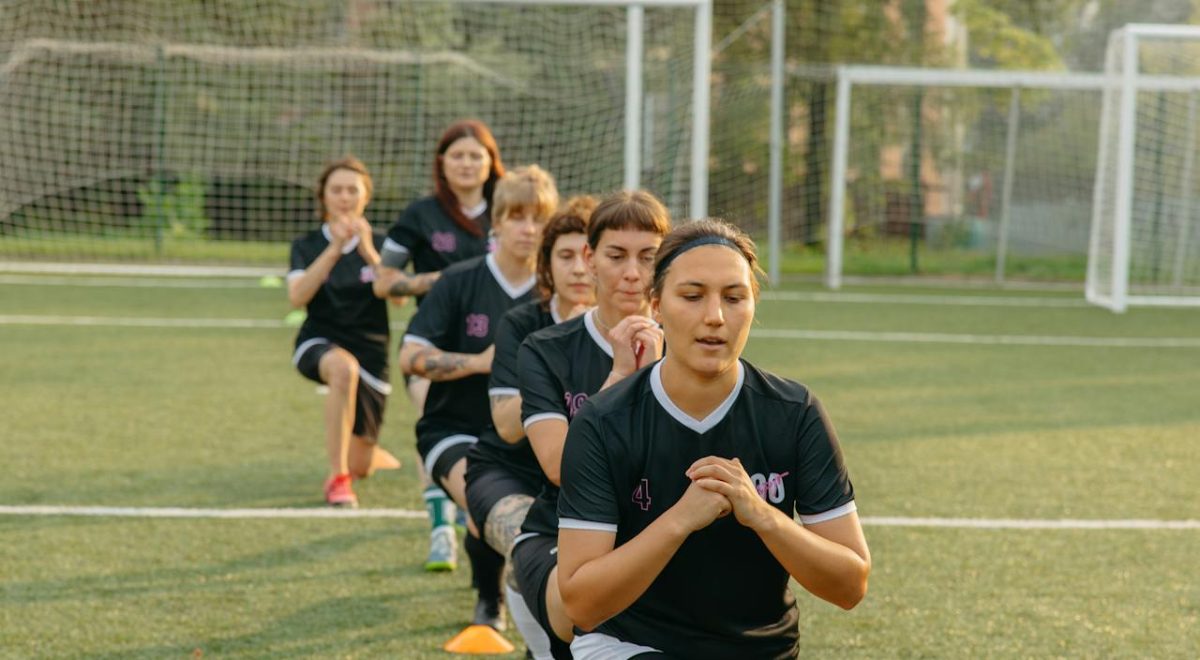
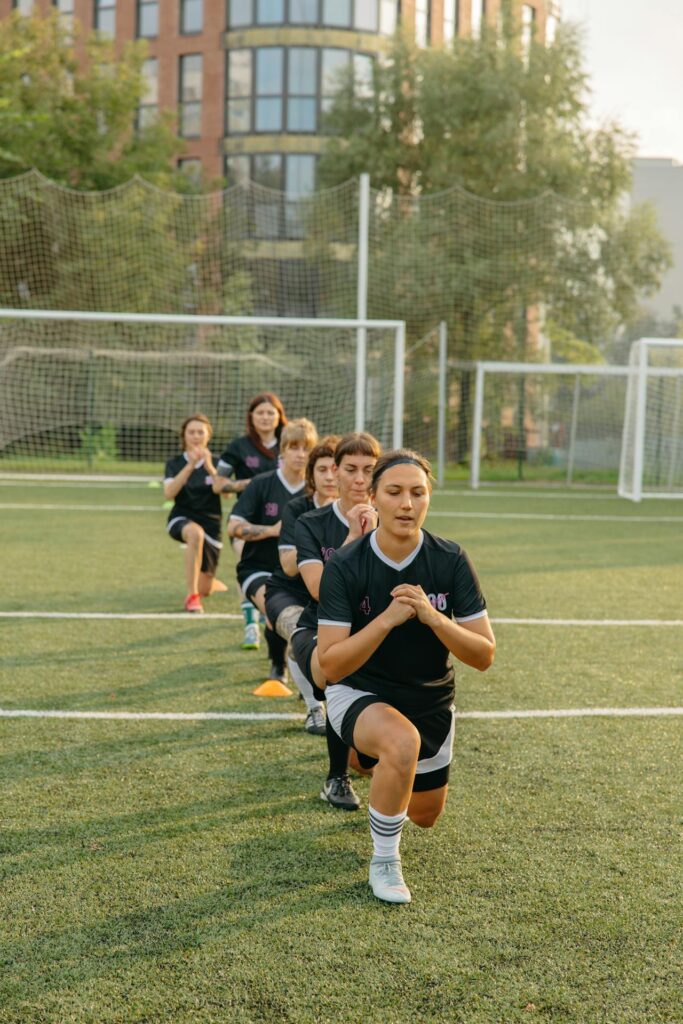
Athletes and fitness enthusiasts are always looking for ways to improve their game. Whether you play football, basketball, soccer, or train in the gym, using the right sports training tips can help you build strength, increase speed, and boost overall performance.
Training smarter — not just harder — is the key to long-term success. In this guide, you’ll learn practical and effective strategies that can help athletes at every level perform better and stay healthier.
1. Focus on Strength Training
Strength training is the foundation of athletic performance. Strong muscles improve power, balance, endurance, and injury prevention.
Effective strength exercises include:
- Squats
- Deadlifts
- Push-ups
- Pull-ups
- Lunges
- Bench presses
Training with proper form is more important than lifting heavy weights. Start with manageable resistance and increase gradually over time.
Benefits of Strength Training
- Builds muscle power
- Improves athletic movement
- Increases endurance
- Reduces injury risk
- Enhances overall fitness
2. Improve Speed With Sprint Workouts
Speed is essential in almost every sport. Sprint training helps athletes move faster, react quicker, and improve agility.
Simple speed drills include:
- Short sprints
- Hill runs
- Ladder drills
- Cone exercises
- Shuttle runs
Consistency is important. Adding sprint sessions two to three times per week can lead to noticeable improvements in speed and explosiveness.
3. Prioritize Proper Nutrition
No training program works well without proper nutrition. Athletes need the right balance of protein, carbohydrates, healthy fats, vitamins, and water.
Important nutrition tips include:
- Eat lean protein for muscle recovery
- Consume healthy carbs for energy
- Stay hydrated throughout the day
- Avoid excessive junk food
- Eat fruits and vegetables daily
Good nutrition helps the body recover faster and perform at a higher level.
4. Never Skip Warm-Ups and Stretching
Warm-ups prepare the body for intense physical activity. Skipping warm-ups can increase the risk of injuries and reduce performance.
A good warm-up should include:
- Light jogging
- Dynamic stretching
- Mobility exercises
- Sport-specific movements
Stretching after workouts also improves flexibility and helps muscles recover properly.
5. Train for Endurance
Athletes need stamina to maintain performance during games and workouts. Endurance training improves cardiovascular fitness and energy levels.
Popular endurance exercises include:
- Running
- Cycling
- Swimming
- Rowing
- Circuit training
Mixing endurance workouts with strength and speed training creates a balanced fitness routine.
6. Get Enough Rest and Recovery
Recovery is just as important as training. Overtraining can lead to fatigue, poor performance, and injuries.
Athletes should focus on:
- Getting 7–9 hours of sleep
- Taking rest days
- Using recovery stretches
- Staying hydrated
- Managing stress levels
The body grows stronger during recovery, not during the workout itself.
7. Practice Consistency and Discipline
One of the best sports training tips is staying consistent. Results do not happen overnight. Small daily improvements lead to major long-term progress.
Successful athletes usually follow:
- Structured training schedules
- Healthy eating habits
- Regular practice routines
- Positive mental focus
Discipline and patience are often what separate average athletes from great ones.
8. Develop Mental Toughness
Sports performance is not only physical — it is also mental. Confidence, focus, and determination play a huge role in success.
Ways to improve mental strength include:
- Setting clear goals
- Practicing visualization
- Staying positive
- Learning from mistakes
- Managing pressure during competition
A strong mindset helps athletes stay motivated and perform better under stress.
9. Use Proper Technique and Form
Using correct form during training improves efficiency and prevents injuries. Poor technique can limit progress and place unnecessary stress on the body.
Athletes should:
- Learn from qualified coaches
- Practice movements slowly first
- Focus on body control
- Avoid rushing exercises
Quality movement is always better than poor repetition.
10. Track Your Progress
Tracking performance helps athletes understand what is working and what needs improvement.
You can track:
- Workout performance
- Running speed
- Strength gains
- Body measurements
- Recovery time
Keeping records helps maintain motivation and supports long-term growth.
Final Thoughts
Using the right sports training tips can greatly improve strength, speed, endurance, and overall athletic performance. Success in sports comes from consistent training, proper nutrition, recovery, and mental discipline.
Athletes who train smart, stay patient, and focus on steady improvement will see better results both on and off the field. Whether you are a beginner or an experienced competitor, applying these strategies can help you reach your full potential.